
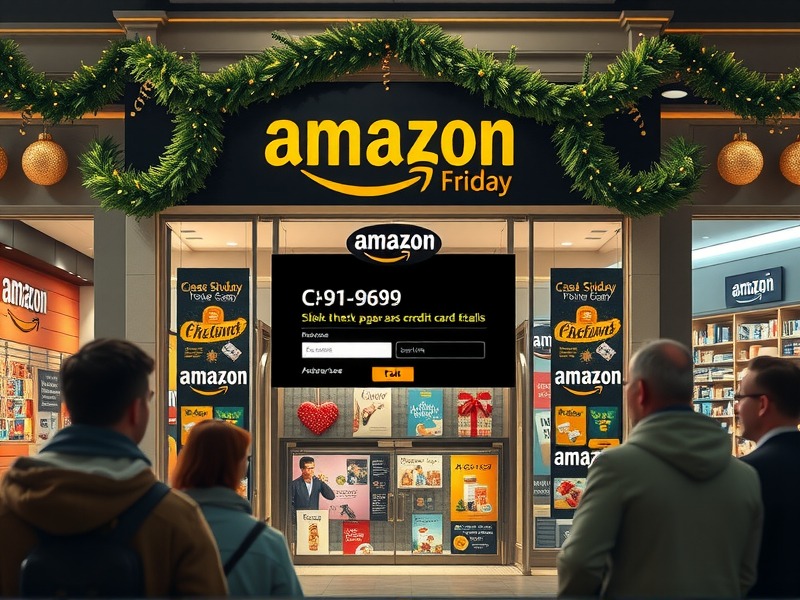
In the latest intelligence update released by AlienVault on 27 November 2025, security researchers uncovered a sprawling network of more than 2,000 counterfeit e‑commerce sites that have been engineered to prey on consumers during the peak holiday shopping season. These sites, which surface just before Black Friday and other festive sales, are designed to appear legitimate through the use of familiar holiday imagery, “trusted” badges, and domain names that closely mimic well‑known brands. The operation is sophisticated enough to attract significant traffic during high‑volume shopping periods, thereby maximizing the volume of stolen credentials and payment data.
Operational Overview
The threat actors have organized their malicious infrastructure into two primary clusters. The first cluster comprises over 750 interconnected domains that share a common visual theme—bright, festive banners, countdown timers, and “limited‑time” offers. These sites frequently impersonate major retailers such as Amazon, leveraging the brand’s trust signals to lower user suspicion. The second cluster is built around a .shop top‑level domain ecosystem, with domain names that replicate the branding of popular consumer products. Both clusters deploy identical phishing kits that redirect unsuspecting shoppers to shell checkout pages where payment information is captured and exfiltrated to the attackers.
Tactics, Techniques, and Procedures (TTPs)
- Domain Mimicry: Attackers register domains that are only a few characters away from legitimate brand names, using subtle misspellings or alternative top‑level domains to evade manual detection.
- Trust Indicator Spoofing: Fake “verified” badges, SSL certificates, and familiar logos are incorporated into the storefronts to create an illusion of authenticity.
- Phishing Kits: The same phishing kit is reused across all sites, allowing attackers to streamline the development process while maintaining a consistent user experience.
- Urgency and Scarcity: Countdown timers, “only a few items left” messages, and limited‑time offers are used to create a sense of urgency that pressures users into making impulsive purchases.
- Shell Checkout Pages: The checkout pages are designed to capture credit card numbers, CVV codes, and billing addresses, which are then transmitted to the attackers’ command‑and‑control infrastructure.
- Peak‑Time Activation: The malicious sites are scheduled to become active during Black Friday, Cyber Monday, and other high‑traffic periods to maximize victim exposure.
Impact Assessment
Given the scale of the operation—over 2,000 sites—and the sophistication of the phishing mechanisms, the potential impact on consumers is substantial. Victims can lose not only financial assets but also sensitive personal information that could be leveraged for further fraud. Moreover, the widespread nature of the attack poses a reputational risk for legitimate retailers, as consumers may associate negative experiences with genuine brands.
Recommendations for Security Analysts
- Domain Monitoring: Implement automated monitoring of newly registered domains that resemble popular brands. Use threat intelligence feeds to detect and block suspicious registrations in real time.
- Browser Extension Enforcement: Deploy browser extensions or security tools that flag known phishing domains and warn users before they enter payment information.
- Threat Intelligence Sharing: Share indicators of compromise (IOCs) such as domain names, IP addresses, and phishing kit signatures with industry peers and relevant CERTs to accelerate detection and mitigation.
- Consumer Education: Launch targeted awareness campaigns during the holiday season, emphasizing the importance of verifying URLs, looking for secure HTTPS indicators, and cross‑checking product listings against official retailer sites.
- Incident Response Preparedness: Update incident response playbooks to include procedures for handling compromised payment data, including notifying affected customers, resetting compromised accounts, and coordinating with payment processors.
- Collaboration with Domain Registrars: Engage with domain registrars to expedite the takedown of malicious domains, especially those that use brand‑name spoofing.
- Advanced Web Filtering: Deploy next‑generation web security solutions that can detect and block access to known malicious storefronts based on behavioral analysis and reputation scoring.
Conclusion
The emergence of these holiday‑themed fake stores underscores the need for heightened vigilance during peak shopping periods. By leveraging threat intelligence, strengthening web filtering, and educating consumers, security analysts can mitigate the risks posed by this large‑scale phishing operation and protect both customers and legitimate retailers from financial loss and reputational damage.
